In this blog:
Explore common window types and learn how to choose the right style for each room in your central Alabama home.
- Compare eight common window options including double-hung, sliding, casement, awning, bay and bow windows.
- Discover how windows add functionality, light and character to different spaces.
- Consider common questions to ask when choosing window styles for your home.
- Learn why energy-performance ratings matter alongside window style when comparing replacement options.
When you start your search for replacement windows for your central Alabama home, you’re likely going to have a lot of choices. The question is, which type of window is right for you?
There are numerous window styles, and each has a distinct design, purpose and function. Getting the best results means choosing the right window for each space. After all, a window over your kitchen sink will likely serve a very different purpose than one that’s the centerpiece of your living room. If the right fit’s not there, you could be missing some great views.
Our window styles guide below explores the common types of windows on the market today, how they work, their benefits and where each is frequently used. Keep this information handy as you start to narrow down your options.

Common Residential Window Types
Most window names come from their shapes or how they operate. Some of the most common window types homeowners will run across are listed in the table below.
Keep in mind, a window name doesn’t necessarily tell you all the features your product will contain, such as multi-pane glass and energy-efficiency features. It’s always worth digging deeper into the product details as you make your choice.
| Window type | How it works | What to consider when buying |
| Double-hung | Upper and lower sashes open vertically. | Height of the sash opening, tilt-in features, cleaning access |
| Sliding | Sashes slide open and do not swing outward. | Opening width and number of movable sections |
| Casement | A side-hinged sash opens outward with a crank. | Handle reach and outdoor clearance |
| Awning | A top-hinged sash opens outward and upward. | Placement height and outdoor clearance |
| Bay | Three sections form an angular projection away from the home. | Display space, clearance, opening side windows |
| Bow | Four or more sections create a curved projection away from the home. | Projection depth and which sections open |
| Garden | A projecting, box-like design includes shelf space and opening side vents. | Display needs and access to vents |
| Custom | Geometric glass; may or may not open. | Shape, placement and nearby ventilation |
Windows That Slide Vertically or Horizontally
These windows do not swing outward when they open. You’ll usually find them in bedrooms, hallways, near landscaping or close to outdoor walkways where they won’t impede foot traffic.
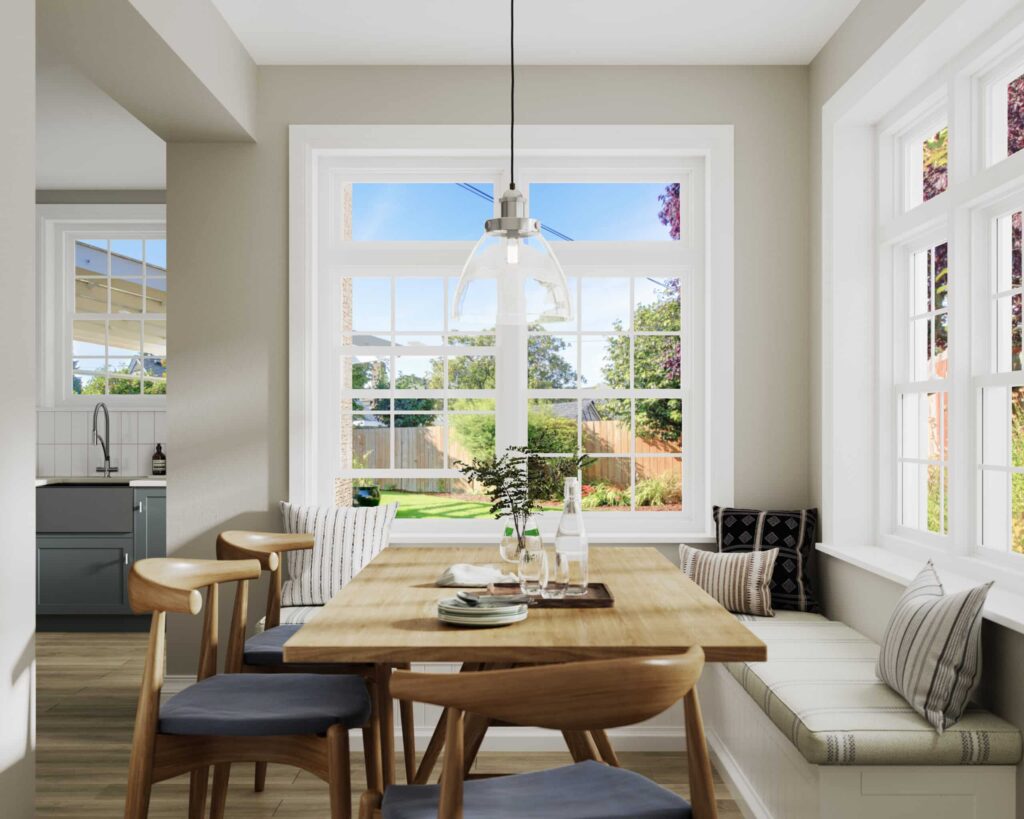
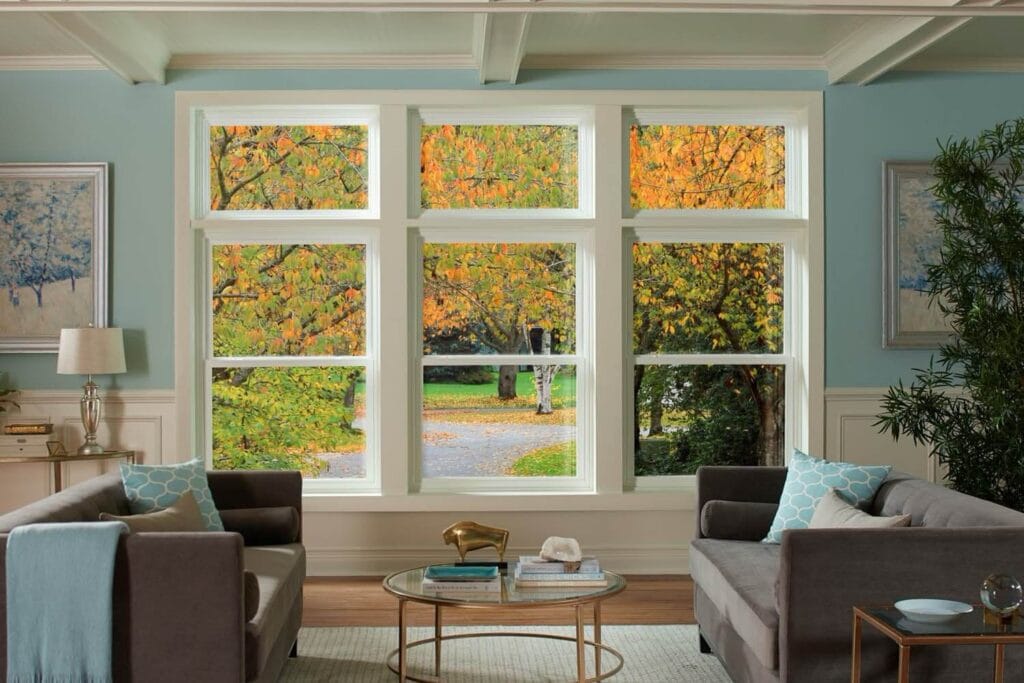
- Double-hung windows have two sashes that move up and down independently of each other. Open either sash to let in fresh air. Also, check to see if your designs have a tilt-in feature that lets you clean the interior and exterior glass without leaving your home.
- Sliding windows open by sliding along a horizontal track. Some of them may have two operable sashes, while others contain multiple sashes alongside fixed glass panes.
Double-hung and sliding windows can fit virtually any room, including kitchens, when sized correctly. Your biggest question when choosing is whether you’ll be able to open them easily when pushing, pulling or leaning across a surface.
Windows That Swing Outward
Outward-opening windows open away from the home, either vertically or horizontally. Most operate using a hand-crank.
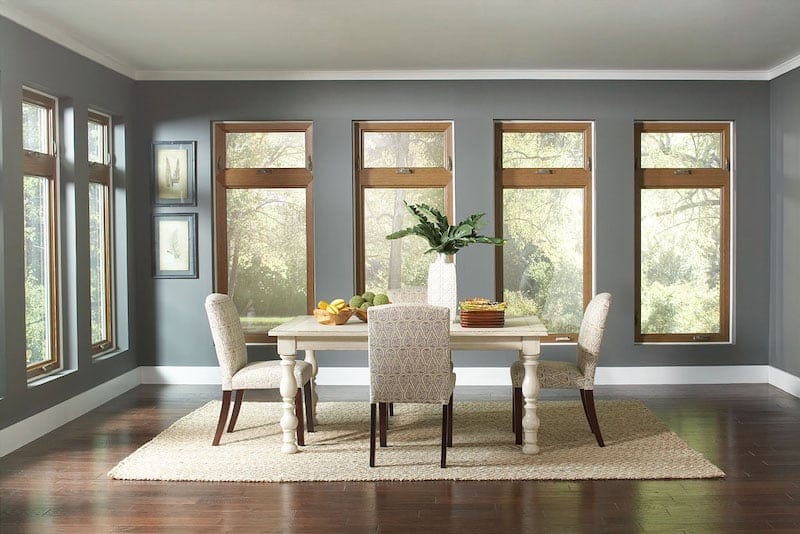
- Casement windows have hinges along one side and open outward in a swinging motion. Most provide unobstructed views because they do not have center meeting rails or grills.
- Awning windows open upward and outward using hinges across their tops. They can provide excellent ventilation. You can even leave them up during damp days, although they will not provide protection against heavy precipitation.
These windows may be good fits in bathrooms, kitchens or rooms where you want unobstructed views without a middle sash. Don’t place these windows in areas with nearby shrubbery, vertical overhangs or where people walk. They need enough room to open.
Windows That Project From the Wall
Thinking about giving your exterior that extra bit of architectural flair? Windows that project away from the home can create a beautiful added dimension outside and inside while providing expanded viewpoints and extra display space.
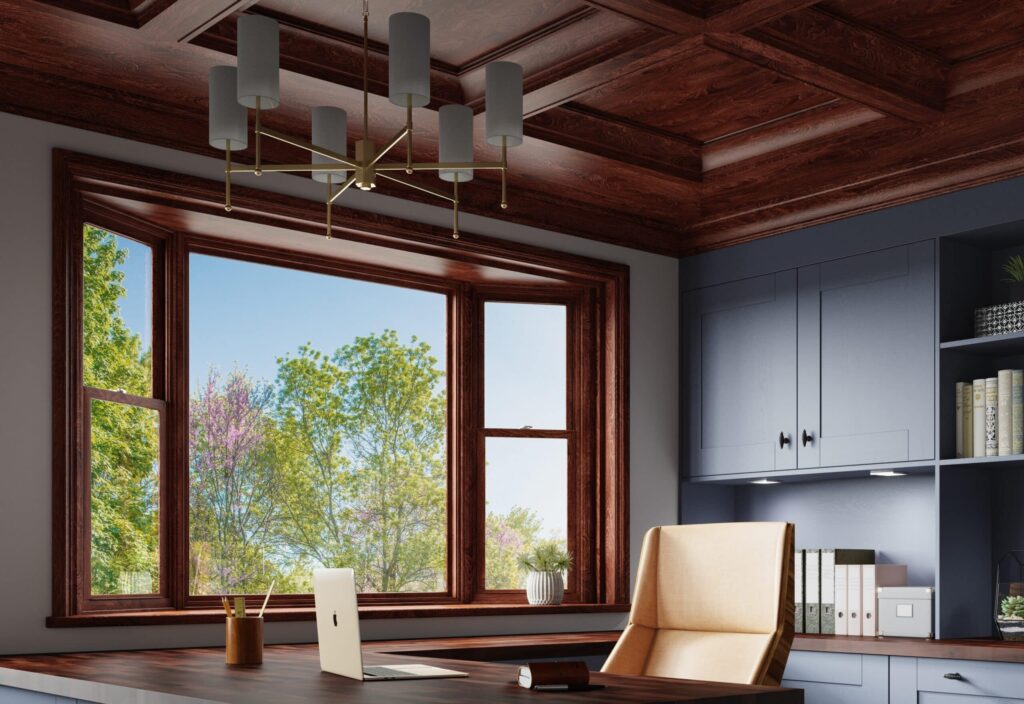
- Bay windows combine three large frames of glass into a roughly arced shape. The two windows on the side of the arc can open to allow ventilation, while the center is a picture window.
- Bow windows combine multiple panes of glass—usually at least four—to form a graceful rounded shape. The arc is smoother than on bay windows, and at least some of the windows will open for ventilation.
The biggest feature of these windows is that they create a more panoramic backdrop, letting light and visuals in from multiple angles. By design, many also create a small display shelf on the inside of the house. It’s a great decorating asset for dining rooms or formal living rooms.
Windows for Showcasing Your Home
Beyond the more familiar window designs we mentioned above, there are numerous more unique products out there that are both eye-catching and practical. For example:
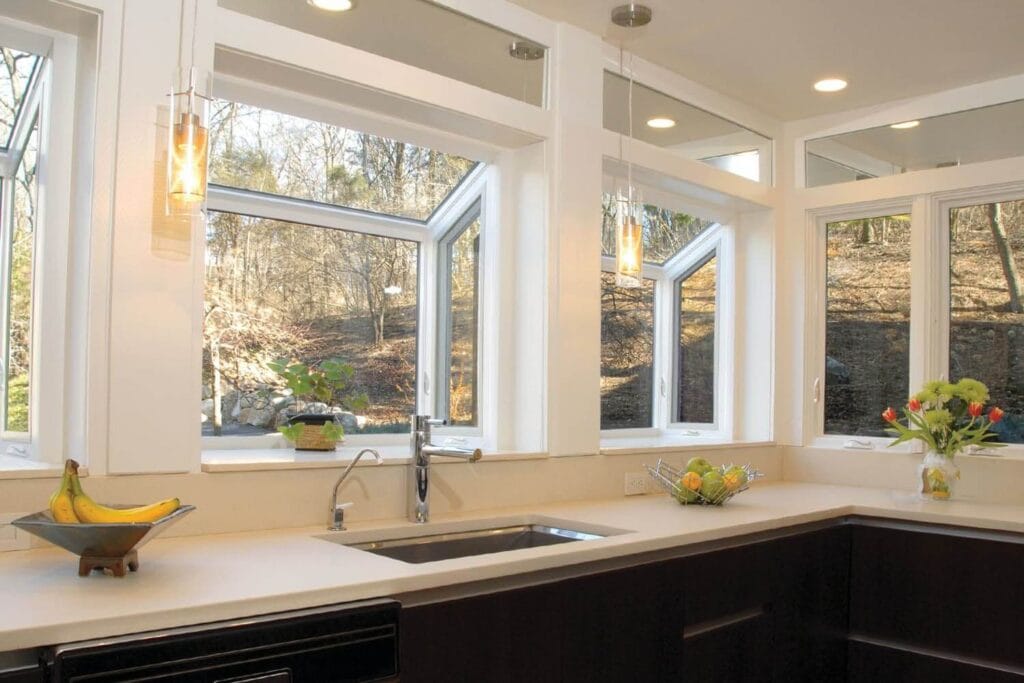
- Garden windows are designed like glass-enclosed boxes that project away from your house. The bottom of the box is a shelf where you can place kitchen herbs or any number of decorations. Your plants will get plenty of light from multiple angles, creating a perfect mini green space in virtually any room.
- Custom windows can come in shapes and sizes like ovals, circles, octagons and arches. If you have a unique expanse of wall where you need to balance proportions, they might be the perfect fit. You might see them over doors, under the eaves on A-frame roofs or as accents on stairways or hallways.
If you’re wondering whether a unique window design is the right fit, a window expert can help you compare different options.
How to Choose a Window Type for Your Central Alabama Home
Asking the right questions while shopping can help you find a window style that’s a great fit for its location and meets your everyday needs. Here are a few of the top things to consider:
- Does the window fit? Will the style I like fit the existing window opening?
- How are you using this room? Is it an entertaining space that needs a statement piece? A functional room where convenience is key? Do you spend more time here at night or during the day?
- How much fresh air do you want? Which sections of the windows open, and how much of each opening will provide ventilation?
- How much light do you need? Is the room already bright enough? Will additional light be a benefit? Will that light also let extra heat indoors, and is this a good idea?
- What about views? Do you want wide panoramic views that aren’t interrupted by window frames, rails or joined sections? Or is this a room where reasonable privacy is important?
- How do I open the windows? Would you prefer to push the window open and pull it shut? Or is it easier to crank the window open?
- How do I clean the windows? Can I easily clean the glass inside and out?
- Is there enough clearance? Will an open window or projecting design disturb my landscaping or block walkways?
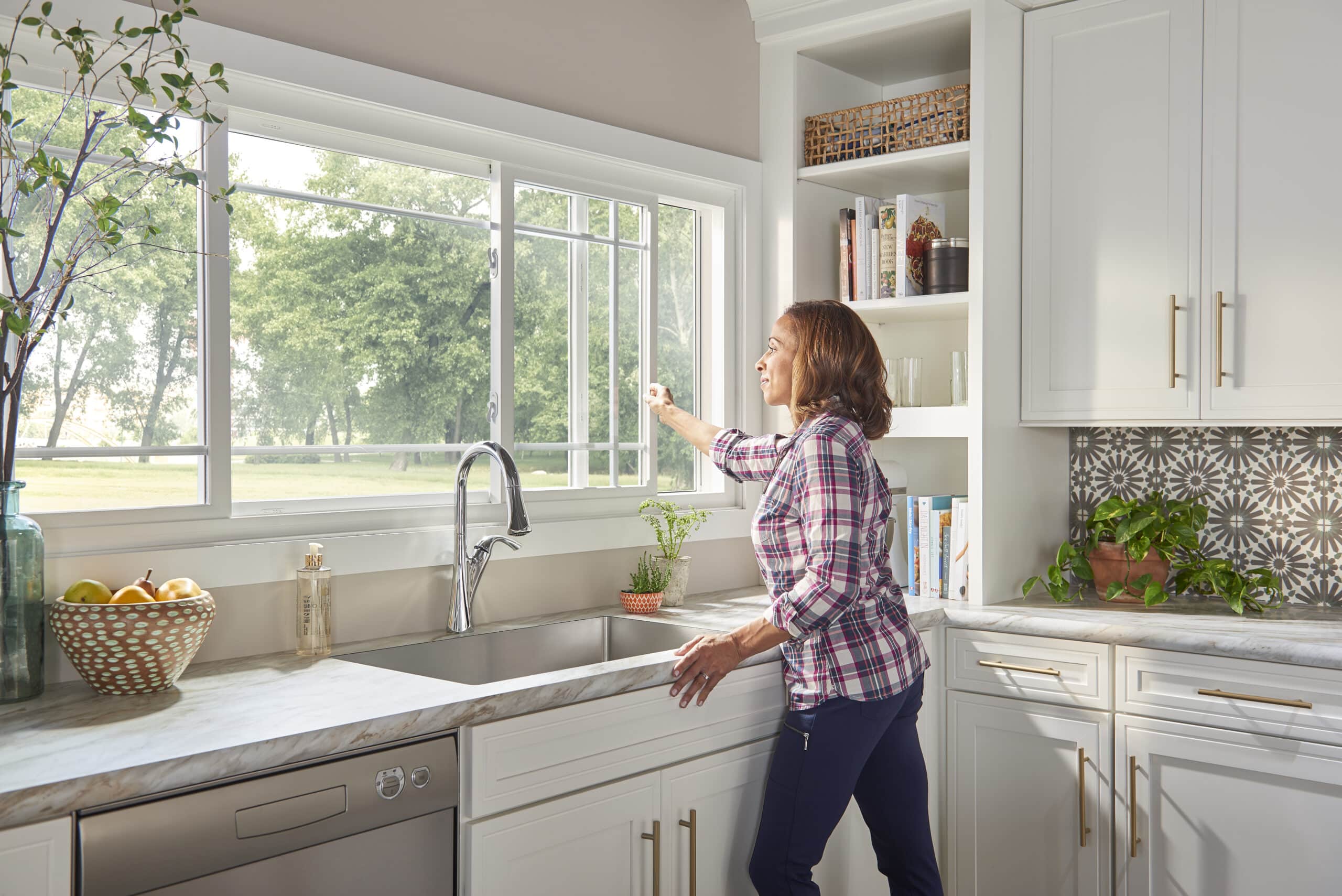
Let’s take a look at how your decision may work out in the real world. Maybe you want to install a window above your kitchen sink, but you will have to reach to open it. In these cases, a sliding or crank window may be easier to operate compared to a double-hung design. Alternately you want windows in your upstairs that are easy to clean without getting on a ladder. Double-hung windows with tilt-in designs might be just the ticket.
Using Energy Ratings When Choosing a Window Style
When considering a window’s style, don’t forget to consider its performance features. The window design is one thing, but it’s essential to weigh how well that window will control things like heat transfer, UV radiation, drafts and visible light. If you don’t put the right window in the right place, you might wind up with a result that is too bright, dim, hot or cold.
The good news is that many windows contain multiple performance ratings determined by the independent National Fenestration Rating Council (NFRC). Ratings like U-factors, Solar Heat Gain Coefficients (SHGCs) and visible light transmittance (VT) can all help you decide if a window style is the right one for its intended location. You can find these details on most window labels.
Ratings can vary, even on two windows with identical styles. You’ll want to go with the one that offers the best balance of light and heat to keep your home comfortable. This can differ even from room to room. To learn more about window ratings and how to read them, check out our online guide.
Your Perfect Window Style Starts At Window World
Finding the right window style takes a little thought, but there are a lot of beautiful, easy-to-use options out there. Window World of Central Alabama will help you pick a design that perfectly complements your home and makes everyday living more comfortable. Work with our experts to compare window shapes, opening requirements, ventilation and energy-efficiency options, and settle on a solution that provides great views and lasting comfort.
It all starts with a free in-home estimate.
Frequently Asked Questions
What is the difference between double-hung and sliding windows?
Double-hung windows contain two sashes that open vertically. To open them, you raise the lower sash or lower the upper sash. Sliding windows open horizontally. They typically have at least two sashes, and some of the sashes may be stationary depending on the design.
What is the difference between casement and awning windows?
Casement windows have hinges on one side and open outward. Awning windows have hinges on the top and open outward and upward. You typically open both types of windows using a crank. The main consideration with these windows is making sure they have enough clearance when opening and closing.
What is the difference between bay and bow windows?
Bay and bow windows both project outward from your home in a rough arc or semicircular shape. Bay windows typically have three separate window panels and are more angular. Bow windows have four or more panels and are more curved. Depending on the design, various panels on each window may open for ventilation.
Which window type is the most energy efficient?
A window’s energy efficiency does not depend on what type of window it is. Different window styles can contain multiple energy efficiency features that help them deliver balanced light and heat to keep your home comfortable and reduce costly HVAC strain. Most window labels carry various NFRC energy ratings that you can compare when choosing a style. Ratings can vary between two windows even if they are the same style.